It is getting close to the summer, and that is when most families move. But, it is not only the humans that move, the animals do too! Here a few things you should do before you move to your new town:
- Check and see if there is a breed band. Many cities have banned certain breeds. Because of this, you may have to purchase a special license to have your dog.
- Inquire about leash laws. In some towns, certain breed are required to wear a certain type of leash or a type of leash, such as a retractable one cannot be used in public areas.
- See how many pets you are allowed to own. Sometimes there are limits on how many dogs you can own at once.
By knowing these basic facts and finding out other bits of information about pet ownership laws in your new town will make for a happy move!
Wednesday, April 28, 2010

Monday, April 5, 2010
April 5: Be Kind To Animals Week!!!
This week is Be Kind to Animals Week. If you would like more information and want to enter a really cool contest, please visit the link below.
http://www.americanhumane.org/protecting-animals/special-events/be-kind-to-animals-week/kid-contest.html
http://www.americanhumane.org/protecting-animals/special-events/be-kind-to-animals-week/kid-contest.html
Monday, February 1, 2010
Feb is Dental Health Month
Bad breath and yellowing teeth are two of the earliest signs of poor dental health. Poor dental health can lead to bigger problems for your pet, such as kidney, liver, or heart disease.
There are number of symptoms to look for to determine if your animal is suffering with dental disease:
- Bad breath
- Tatar build up
- Swollen, receding, or bleeding gums
- Fractured teeth
- Change in eating habits
There are many ways to help prevent tooth decay:
- Brush your pet's teeth
- Have their teeth examined regularly and professional cleaned
- Use special treats and foods that promote health teeth
For more information about Dental Month; visit www.avma.org
There are number of symptoms to look for to determine if your animal is suffering with dental disease:
- Bad breath
- Tatar build up
- Swollen, receding, or bleeding gums
- Fractured teeth
- Change in eating habits
There are many ways to help prevent tooth decay:
- Brush your pet's teeth
- Have their teeth examined regularly and professional cleaned
- Use special treats and foods that promote health teeth
For more information about Dental Month; visit www.avma.org
Monday, January 18, 2010
Dogs And Winter
There are many things that you can do for your four-legged friend to keep them safe and warm during the cold winter months. Click on the link below to find out what you can do:
http://www.akc.org/public_education/winter_care.cfm
http://www.akc.org/public_education/winter_care.cfm
Tuesday, November 17, 2009
November 16: Thanksgiving and Pets
Thanksgiving Safety Tips
‘Tis the season for friends, family and holiday feasts—but also for possible distress for our animal companions. Pets won’t be so thankful if they munch on undercooked turkey or a pet-unfriendly floral arrangement, or if they stumble upon an unattended alcoholic drink.
Check out the following tips from ASPCA experts for a fulfilling Thanksgiving that your pets can enjoy, too.
Talkin’ Turkey
If you decide to feed your pet a little nibble of turkey, make sure it’s boneless and well-cooked. Don't offer her raw or undercooked turkey, which may contain salmonella bacteria.
Sage AdviceSage can make your Thanksgiving stuffing taste delish, but it and many other herbs contain essential oils and resins that can cause gastrointestinal upset and central nervous system depression to pets if eaten in large quantities. Cats are especially sensitive to the effects of certain essential oils.
No Bread Dough
Don't spoil your pet’s holiday by giving him raw bread dough. According to ASPCA experts, when raw bread dough is ingested, an animal's body heat causes the dough to rise in his stomach. As it expands, the pet may experience vomiting, severe abdominal pain and bloating, which could become a life-threatening emergency, requiring surgery.
Don't Let Them Eat Cake
If you’re baking up Thanksgiving cakes, be sure your pets keep their noses out of the batter, especially if it includes raw eggs—they could contain salmonella bacteria that may lead to food poisoning.
Too Much of a Good Thing
A few small boneless pieces of cooked turkey, a taste of mashed potato or even a lick of pumpkin pie shouldn’t pose a problem. However, don't allow your pets to overindulge, as they could wind up with a case of stomach upset, diarrhea or even worse—an inflammatory condition of the pancreas known as pancreatitis. In fact, it’s best keep pets on their regular diets during the holidays.
A Feast Fit for a Kong
While the humans are chowing down, give your cat and dog their own little feast. Offer them Nylabones or made-for-pet chew bones. Or stuff their usual dinner—perhaps with a few added tidbits of turkey, vegetables (try sweet potato or green beans) and dribbles of gravy—inside a Kong toy. They’ll be happily occupied for awhile, working hard to extract their dinner from the toy.
‘Tis the season for friends, family and holiday feasts—but also for possible distress for our animal companions. Pets won’t be so thankful if they munch on undercooked turkey or a pet-unfriendly floral arrangement, or if they stumble upon an unattended alcoholic drink.
Check out the following tips from ASPCA experts for a fulfilling Thanksgiving that your pets can enjoy, too.
Talkin’ Turkey
If you decide to feed your pet a little nibble of turkey, make sure it’s boneless and well-cooked. Don't offer her raw or undercooked turkey, which may contain salmonella bacteria.
Sage AdviceSage can make your Thanksgiving stuffing taste delish, but it and many other herbs contain essential oils and resins that can cause gastrointestinal upset and central nervous system depression to pets if eaten in large quantities. Cats are especially sensitive to the effects of certain essential oils.
No Bread Dough
Don't spoil your pet’s holiday by giving him raw bread dough. According to ASPCA experts, when raw bread dough is ingested, an animal's body heat causes the dough to rise in his stomach. As it expands, the pet may experience vomiting, severe abdominal pain and bloating, which could become a life-threatening emergency, requiring surgery.
Don't Let Them Eat Cake
If you’re baking up Thanksgiving cakes, be sure your pets keep their noses out of the batter, especially if it includes raw eggs—they could contain salmonella bacteria that may lead to food poisoning.
Too Much of a Good Thing
A few small boneless pieces of cooked turkey, a taste of mashed potato or even a lick of pumpkin pie shouldn’t pose a problem. However, don't allow your pets to overindulge, as they could wind up with a case of stomach upset, diarrhea or even worse—an inflammatory condition of the pancreas known as pancreatitis. In fact, it’s best keep pets on their regular diets during the holidays.
A Feast Fit for a Kong
While the humans are chowing down, give your cat and dog their own little feast. Offer them Nylabones or made-for-pet chew bones. Or stuff their usual dinner—perhaps with a few added tidbits of turkey, vegetables (try sweet potato or green beans) and dribbles of gravy—inside a Kong toy. They’ll be happily occupied for awhile, working hard to extract their dinner from the toy.
Wednesday, October 21, 2009
October 21: Dogs and the Cold
Heating Up Chilly Dogs
Cold Weather Tips to Keep Pets Warm
By Bernadine Cruz, DVM
Provided by Pfizer
When the seasons move from summer into fall and winter, people adjust their routines and plan for colder weather. At the same time, take a few minutes to prepare your pets for the changing seasons. The following is a list of dos and don'ts to help you give your pets the cold-weather care they deserve.
Do provide proper shelter:
If you can't keep your dog indoors during winter months, provide an elevated structure with a door to protect pets from wind and weather.
Provide dry, clean bedding materials such as straw or blankets and replace bedding if it becomes damp or wet.
Find a house large enough for you dog to be able to stand up and turn around, but small enough to retain her body heat.
Do provide indoor dogs with a warm sleeping area away from drafts.
Do use caution around bodies of water. Keep pets away from rivers, ponds and lakes as they begin to freeze. Continue to use caution even when the water appears completely frozen.
Do keep hair around paw pads trimmed. Less hair will help keep paws free of ice and snow, which can quickly ball up between footpads and create uncomfortable walking conditions for pets.
Do check paw pads for small cuts and cracks. Consider dog boots for dogs that react negatively to walking on ice and snow - especially dogs that react to snow removal products.
Do clean your dog's paws after walks to remove salt and snow removal chemicals, which can be toxic to pets.
Do check your dog's ears, tail and feet for frostbite. Just as dogs are sensitive to hot summer sidewalks, cold winter walkways may cause pain or contribute to frostbite. A dog that continually lifts individual legs off the ground during a winter walk may feel the effects of frostbite. Frostbitten skin may appear red or gray. If you suspect frostbite, wrap your dog's feet in a blanket or towels to gradually warm them and contact your veterinarian.
Do provide the proper type and amount of food for the season. Dogs housed outdoors and dogs that participate in strenuous outdoor activities may require additional food during colder weather. On the other hand, indoor dogs that exercise less frequently in colder months may need less food.
Do provide adequate fresh, unfrozen water. If your dog lives outside, consider investing in a heated water bowl. Indoor dogs also may require more water to combat dry winter air.
Do invest in a pet sweater for shorthaired breeds. Watch for telltale signs that your pet is cold. Like us, pets will shiver in response to being chilled.
Do keep puppies and older dogs indoors except for short periods of time. As with humans, young and old dogs are more susceptible to the effects of the cold.
Do keep dogs on a leash - especially during bad weather or snowstorms when they can lose their ability to find their way by smell.
Do pay attention to snow removal. Avoid piling snow near fences and creating an escape route for curious pets.
Do keep identification tags updated in the event your dog runs away.
Do clean up antifreeze spills immediately. Many dogs like the sweet smell and taste and, unfortunately, even very small amounts can be lethal to them. If you suspect that your dog has ingested antifreeze, take your dog to your veterinarian immediately. There may be time for Antizol-Vet, an anti-freeze antidote, to help your dog. Also consider using an animal-friendly anti-freeze.
Do maintain your pet's grooming schedule. Regular brushing keeps your dog's coat supple and prepared for the cold. However, when you bathe your pet, be sure to dry his coat thoroughly before allowing him outside.
Do visit your veterinarian for a checkup before the cold weather strikes. Cold weather may exacerbate certain conditions, such as arthritis. Sudden changes in the weather or drops in temperature may affect pets suffering from osteoarthritis.
Don't suddenly house an indoor dog outdoors. Dogs require a month or more (as seasons change) to become accustomed to lower winter temperatures.
Don't keep your dog outside in all conditions. Pay attention to the thermometer. If it dips too far below freezing, it's too cold for any dog - even those accustomed to being outside.
Don't treat all dogs alike. While some breeds such as Alaskan malamutes or huskies may be able to spend long periods out of doors in cold weather, other breeds such as greyhounds or Dobermans to not have the same protective fur.
Don't leave pets alone in cars during cold weather months. When the engine is off, a car can act as a refrigerator, holding in the cold.
Dr. Bernadine Cruz, DVM, is an associate veterinarian at Laguna Hills Animal Hospital in Laguna Hills, California. She specializes in small animal medicine and has been practicing veterinary medicine for more than 16 years. She also serves as a volunteer veterinarian for a number of organizations and has done veterinary consulting for national television programs.
Thursday, September 24, 2009
September 24: Service Dogs and Autism
On Matthew Plunk's third birthday, his parents, Jeff and Jennifer, received some life-changing news: Their son had autism.
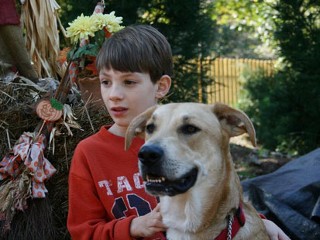
The diagnosis came as no surprise to the Plunks, who had long struggled to contain their son's emotional outbursts and antisocial behaviors.
"He had a lot of fears," said Jennifer. "Just a truck going by would make him want to climb up you."
After years of trying different therapies and experimental diets for Matthew, the Plunks noticed he had made significant progress but still suffered from intense anxiety and difficulty interacting with strangers.
"The biggest thing I was looking for [was] a calmness for Matthew," said Jennifer. "His mind is just going 90 miles an hour. It's like his foot is always on the gas pedal."
So when Matthew was 6, Jennifer went online in search of something else she hoped could help him -- a dog. She had heard about service dogs specially trained to work with children with autism so she researched a program that would help her find a canine companion for Matthew.
"I really believed in the calming impact that a dog can have," said Jennifer.
Her research led her to 4 Paws for Ability, one of several organizations that trains and places dogs to work specifically with autistic children, helping them to become calmer, more social and more comfortable in the world.
As part of their application to the training program, the Plunks submitted hours of home video to demonstrate the problems that Matthew was having, as well as lengthy descriptions of their family's habits and challenges.
Once accepted into the program, they were then required to raise the $12,000 necessary to train the dog, which they did through the generosity of friends, family and their community.
With the money raised, the Plunks headed to the 4 Paws center for a two-week training course in which they were introduced to Matthew's new service dog, Ajax, a Great Pyrenees-boxer mix.
"It was amazing," said Jennifer, describing their first day at the center. Matthew, who had always struggled with forming new bonds with strangers, recognized a picture of Ajax and immediately ran to him.
"It was very sweet," Jennifer said. "The first day of training, he said several times 'I love you, Ajax.' It was hard not to cry."
One year later, Matthew quickly calls Ajax his best friend and can barely be separated from his dog. He is noticeably calmer and more responsive, more attentive and focused on his schoolwork and he happily interacts with strangers in public -- typically to answer questions about Ajax.
"I can see a difference in him," said Jennifer. "Matthew is calmer. He enjoys having Ajax around."
Matthew's father, Jeff, agrees. "He really had a hard time even sitting still, and now he's much more calm."
Since Ajax's arrival, Matthew is also more confident and less prone to meltdowns, the intense and often inexplicable emotional outbursts that often go hand in hand with autism.
The Plunks are just one of many families ABC News spoke to that have had a profoundly positive experience by bringing an autism assistance dog into their home. As word spreads, hundreds of American families are now seeking the benefits of service dogs for their autistic kids.
Subscribe to:
Posts (Atom)